Organic, Natural, Pasture-Raised: What Food Labels Actually Mean
Half the words on food packaging are regulated; the other half are marketing. A plain-English decoder for organic, natural, cage-free, and friends.
Read article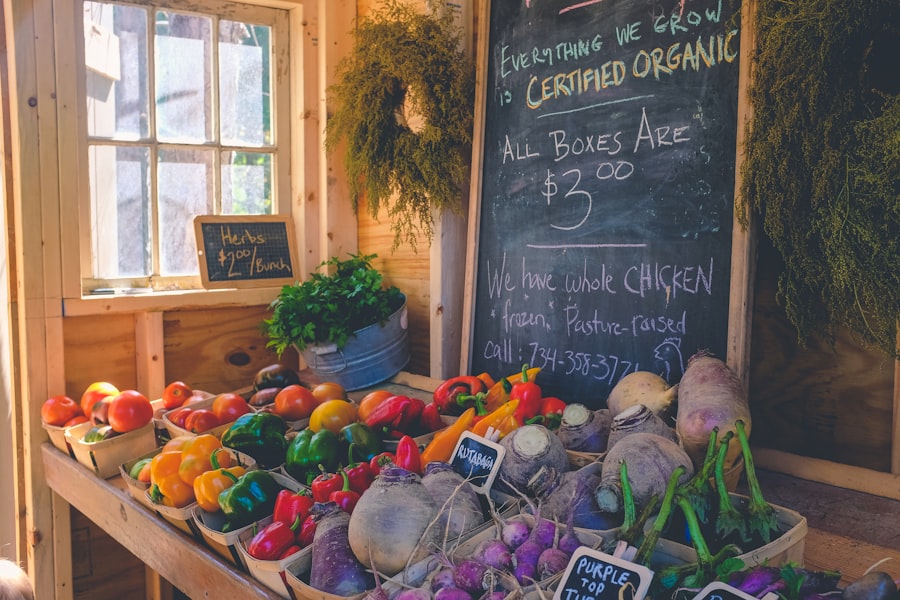
A strawberry in June and a strawberry in January are technically the same species, but that's where the resemblance ends. One was bred for flavor and picked ripe yesterday; the other was bred for surviving a truck and picked hard ten days ago. Eating seasonally isn't a virtue project — it's just how you get the good stuff. Here's the Northeast's year at a glance.
Produce converts starch to sugar as it ripens on the plant. Pick it early to ship it far, and that conversion stops — some fruits (melons, berries, stone fruit) never recover. Local + in-season means picked riper, moved shorter, sold faster. Bonus: peak-season abundance is also when prices drop.
The hungry gap ends: overwintered spinach (the sweetest of the year — cold concentrates sugars), ramps, asparagus by late April, rhubarb. Storage apples and root cellar carrots are still fantastic.
Salad season: lettuces, radishes, peas, garlic scapes — and June strawberries, the ones worth waiting for. Herbs go from precious to abundant.
The flood: tomatoes, corn, zucchini (so much zucchini), cucumbers, peppers, eggplant, blueberries, peaches. This is when a harvest box pays for itself twice over — and when to freeze and can for winter.
The elegant season: winter squash, apples and pears at their peak, cauliflower, broccoli, brussels sprouts sweetened by first frost, the last tomatoes, cranberries.
Slower, not sad: storage crops (potatoes, onions, beets, cabbage, carrots), hardy greens like kale and collards, and greenhouse growers keeping salad alive. Citrus from further afield earns its miles now — seasonality can stretch when local genuinely sleeps.
Seasonal eating isn't a purity test. It's a default: eat the flood when it comes, lean on storage crops after, and make exceptions on purpose instead of by habit.
Want the season delivered instead of memorized? That's literally what our harvest box is — the month-by-month guide above, packed into a crate with recipe cards.
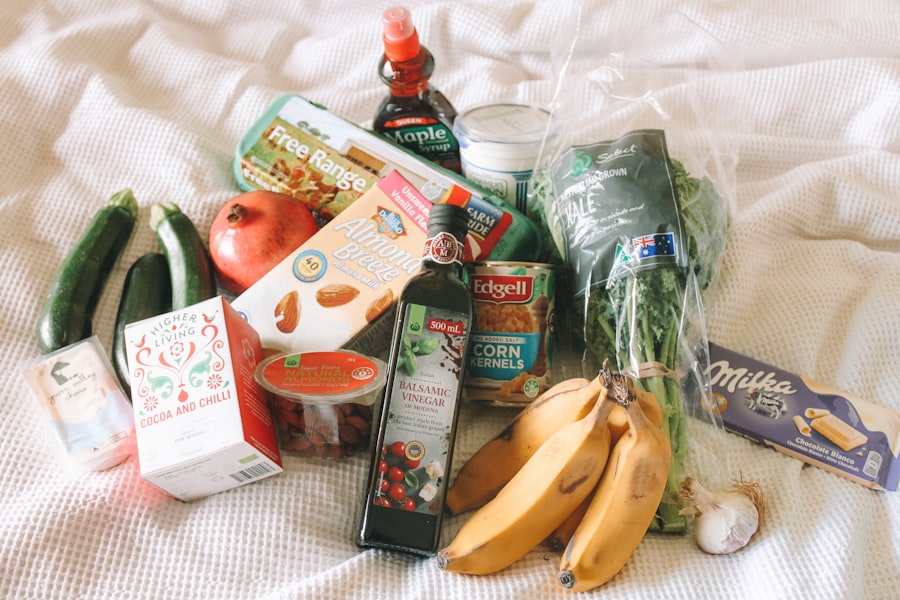
Half the words on food packaging are regulated; the other half are marketing. A plain-English decoder for organic, natural, cage-free, and friends.
Read article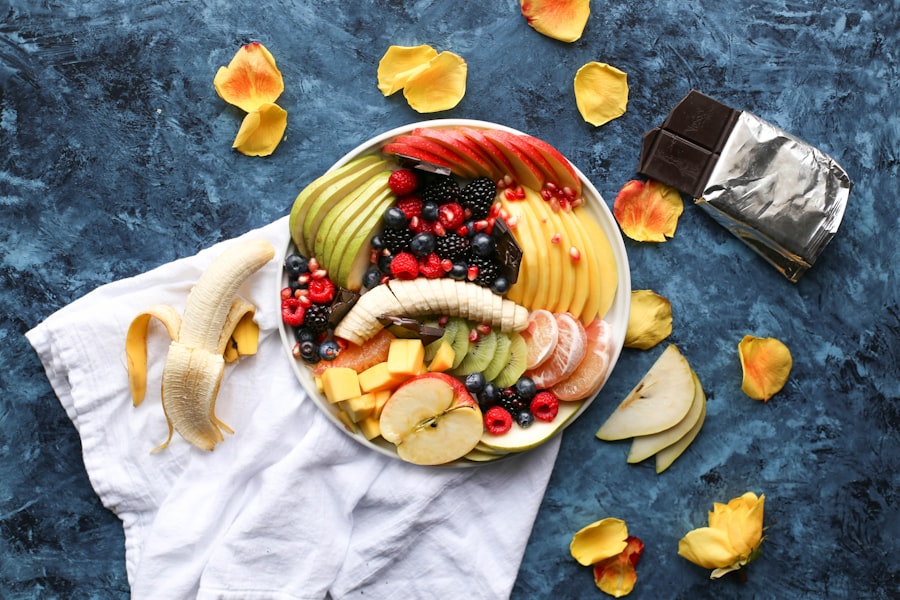
Herbs in water, tomatoes never in the fridge, and the ethylene troublemakers to keep apart - how to double the life of everything in your crisper.
Read article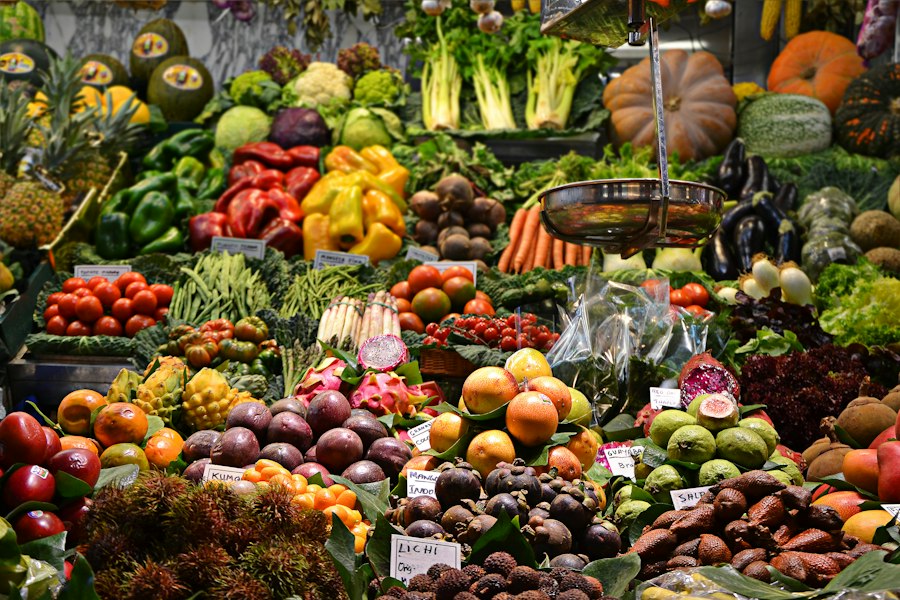
Go late for deals or early for selection, ask the one question farmers love, and other unwritten rules of the market - from people who run one.
Read article