Organic, Natural, Pasture-Raised: What Food Labels Actually Mean
Half the words on food packaging are regulated; the other half are marketing. A plain-English decoder for organic, natural, cage-free, and friends.
Read article
The average American household throws out roughly a third of the food it buys — and produce leads the parade. Most of that waste isn't about buying too much; it's about storing things in ways that quietly murder them. Twenty minutes of putting-away, done right, is worth $50 a month. Here's the system.
Some produce releases ethylene gas as it ripens (apples, bananas, tomatoes, avocados, pears, peaches). Other produce is ethylene-sensitive and ripens — then rots — faster around it (leafy greens, broccoli, carrots, cucumbers, herbs). The single highest-value storage move: keep the gassers away from the sensitive crowd. The apple in your salad drawer is why the lettuce died.
Avocados, stone fruit, pears, bananas: ripen on the counter, then refrigerate to pause them at perfect. (Banana skins go brown in the fridge; the fruit inside is fine.)
Crisper drawers aren't decorative: high humidity (closed vents) for things that wilt, low humidity (open vents) for things that rot.
Once a week, do a two-minute triage: anything looking tired becomes tonight's stir-fry, tomorrow's frittata, or goes straight into the freezer (chopped, bagged, labeled). Vegetable scraps — ends, stems, peels — live in a freezer bag until it's full, and then it's free broth. Waste zero, feel smug.
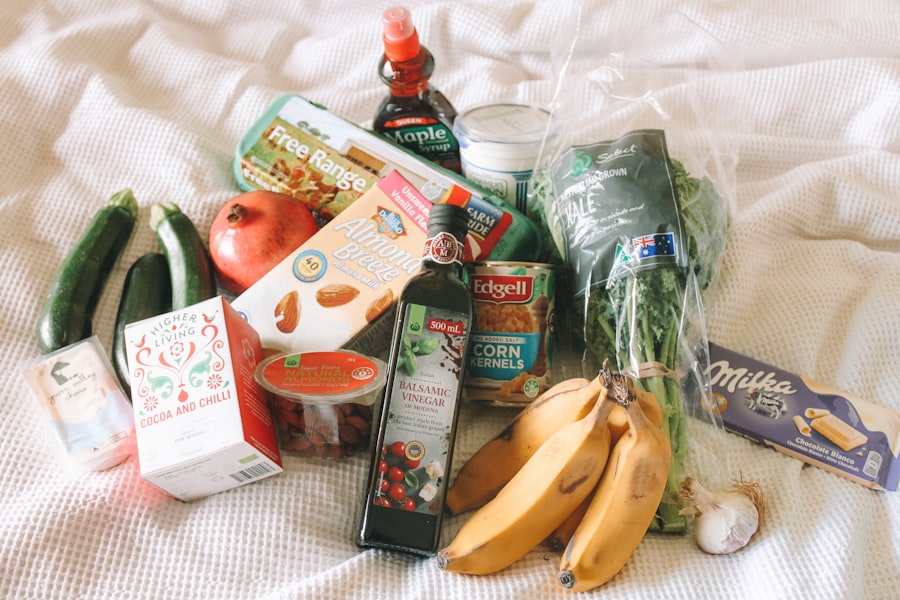
Half the words on food packaging are regulated; the other half are marketing. A plain-English decoder for organic, natural, cage-free, and friends.
Read article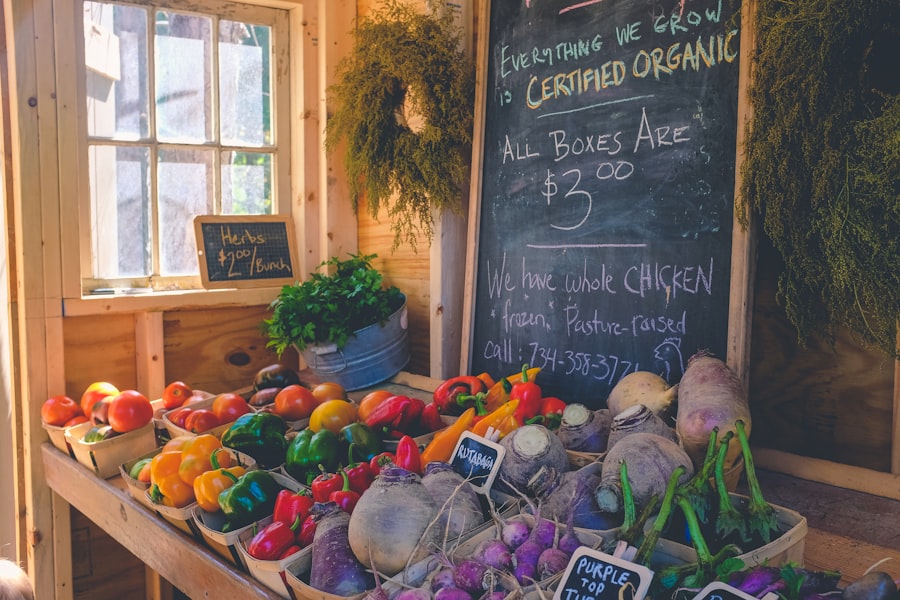
Why a June strawberry beats a January one, plus a practical month-by-month map of what's actually at its best in the Northeast.
Read article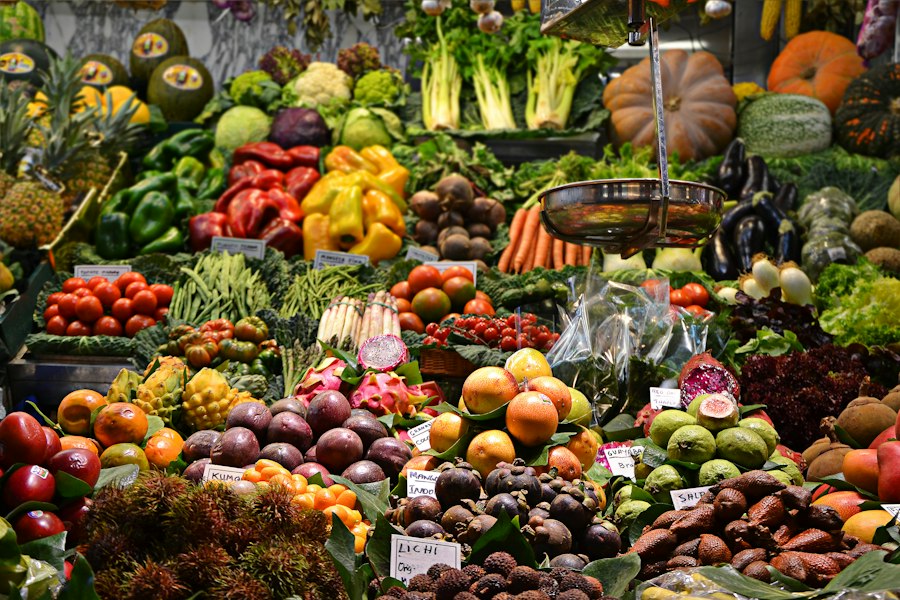
Go late for deals or early for selection, ask the one question farmers love, and other unwritten rules of the market - from people who run one.
Read article