Eating With the Seasons: A Month-by-Month Produce Guide for the Northeast
Why a June strawberry beats a January one, plus a practical month-by-month map of what's actually at its best in the Northeast.
Read article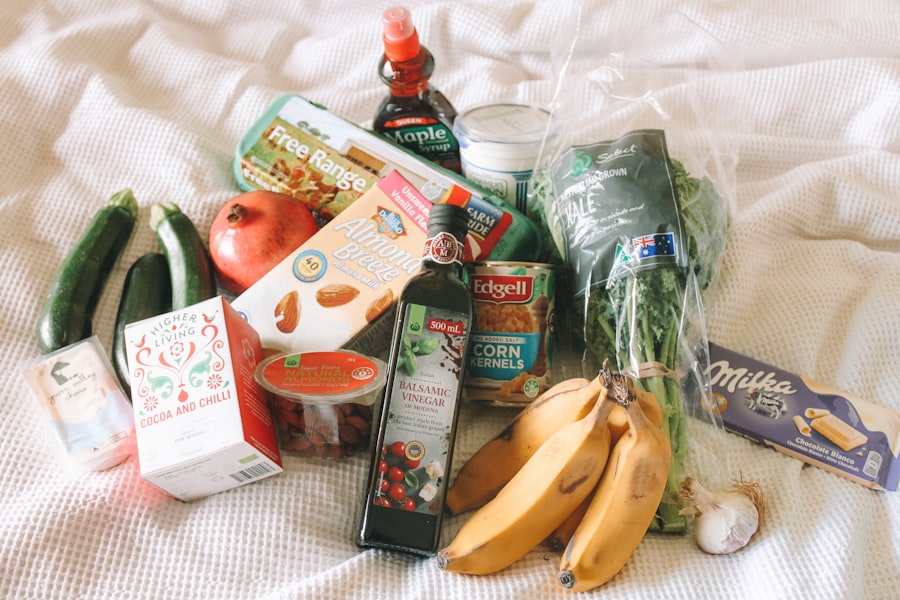
Stand in any grocery aisle and you'll be shouted at by a wall of words: organic, natural, farm-fresh, cage-free, pasture-raised, non-GMO, artisanal. Some of those words are legally defined and independently verified. Others mean, roughly, "our marketing team likes farms." Here's the decoder we wish someone had handed us years ago.
The big one, and it's real: certified farms are inspected annually, can't use synthetic pesticides or fertilizers from a prohibited list, can't plant GMO seed, and animals must have organic feed and outdoor access. Certification costs money and paperwork — which is why some excellent small farms skip it (more on that below).
Independent third-party animal-welfare labels with published standards and audits. Of the welfare labels, these two carry real weight.
A real verification, though narrower than people assume: it covers genetic modification only. A non-GMO cookie is still a cookie.
For most foods, this word has almost no enforced definition. It doesn't limit pesticides, additives-in-farming, or anything about animal welfare. Treat it as decoration.
Pure vibes. Every industrial egg came from something legally describable as a farm.
Rule of thumb: the more a label describes a system you could inspect, the more it means. The more it describes a feeling, the less it does.
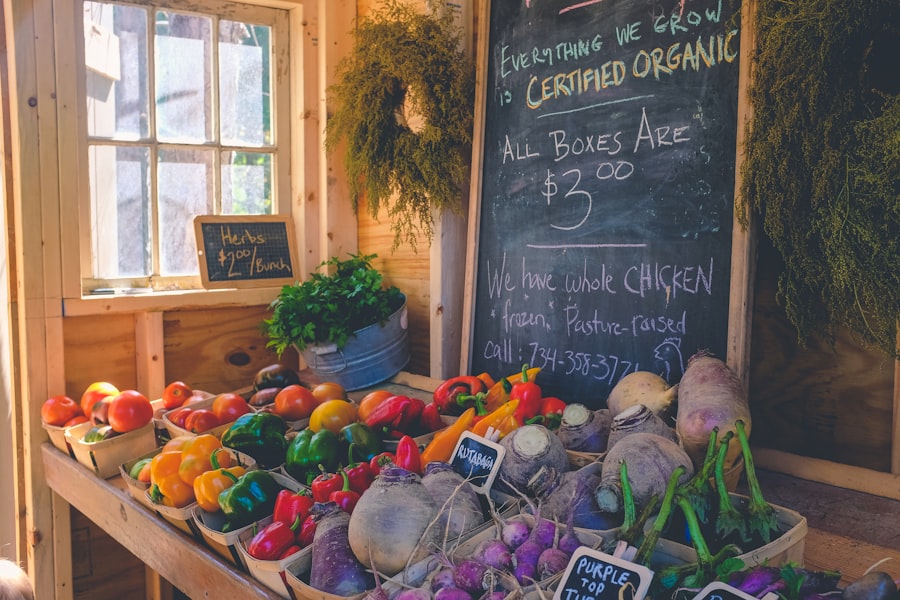
Organic certification costs real money and hours that a three-person farm often doesn't have. Many of our partner farms follow organic practices — no synthetic pesticides, real crop rotation — but sell as "farm-verified" instead. The fix for a missing certificate is a relationship: we visit, we ask the awkward questions, and we label those farms honestly in the market. If your grocer can't tell you who grew something, that's the label that matters most.
Why a June strawberry beats a January one, plus a practical month-by-month map of what's actually at its best in the Northeast.
Read article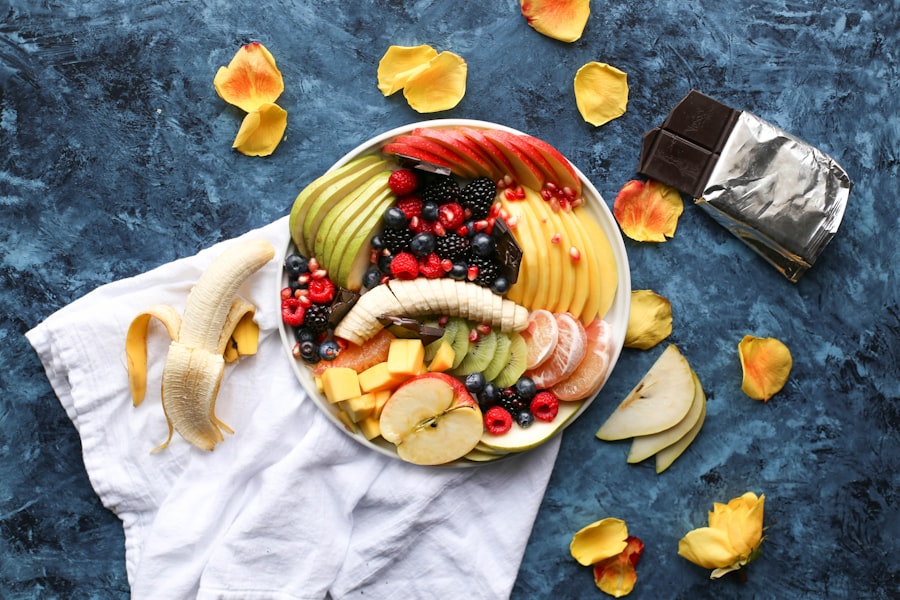
Herbs in water, tomatoes never in the fridge, and the ethylene troublemakers to keep apart - how to double the life of everything in your crisper.
Read article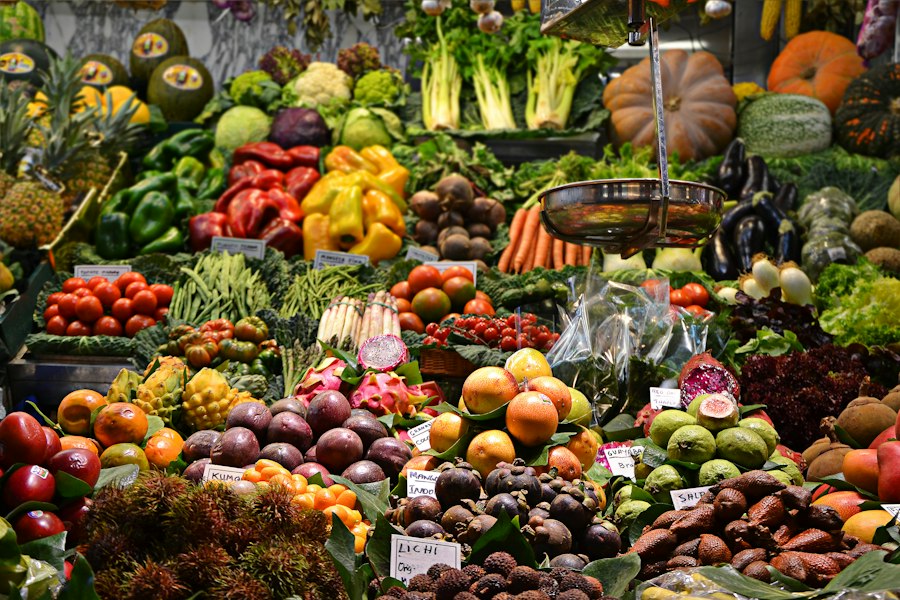
Go late for deals or early for selection, ask the one question farmers love, and other unwritten rules of the market - from people who run one.
Read article