Organic, Natural, Pasture-Raised: What Food Labels Actually Mean
Half the words on food packaging are regulated; the other half are marketing. A plain-English decoder for organic, natural, cage-free, and friends.
Read article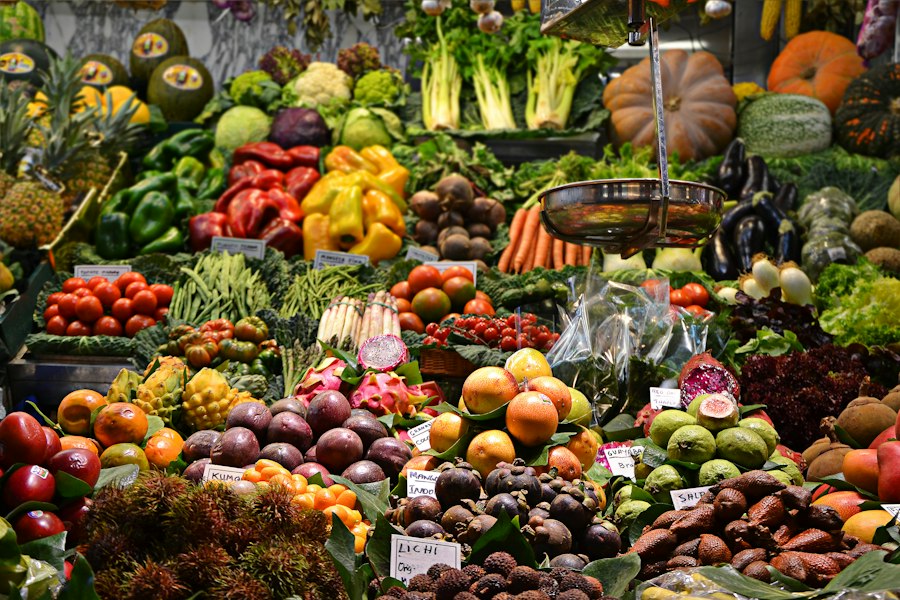
Farmers markets can feel like a club with unwritten rules: regulars greeting farmers by name, mysterious lines at one stand while its neighbor sits empty, someone buying a flat of "seconds" tomatoes for half price like they know something. They do know something. After years on both sides of the table, here's the insider playbook.
"What's best today?" It signals you'll cook what's actually good instead of hunting a shopping-list item that peaked last week. You'll be handed the thing they're proud of — often with a free sample and a cooking tip attached. (The question they dread: "why is this more than the supermarket?" The answer is usually "because it's a different product wearing the same name.")
The market rewards the flexible. Come with a budget and two loose dinner ideas, not a rigid list — the list is written by the season, and it's under the table in the seconds box.
Bring your own bags (and give crates back). Don't squeeze the peaches into submission — ask "ripe for today or the weekend?" and trust the answer. Pay small farms in cash when you can; card fees bite. Learn one farmer's name. By your third visit, you'll be greeted like the regulars you used to envy — and the free-sample economy will quietly open to you.
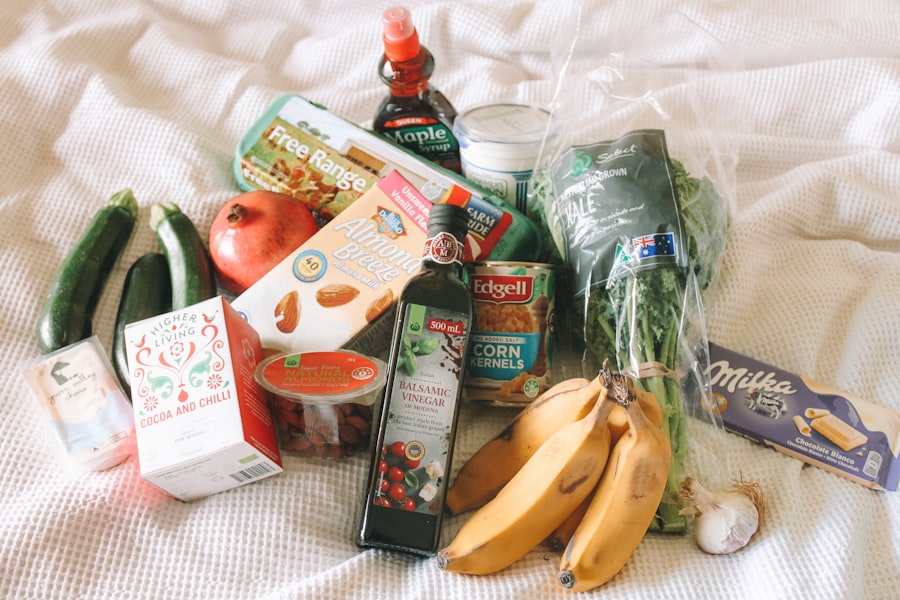
Half the words on food packaging are regulated; the other half are marketing. A plain-English decoder for organic, natural, cage-free, and friends.
Read article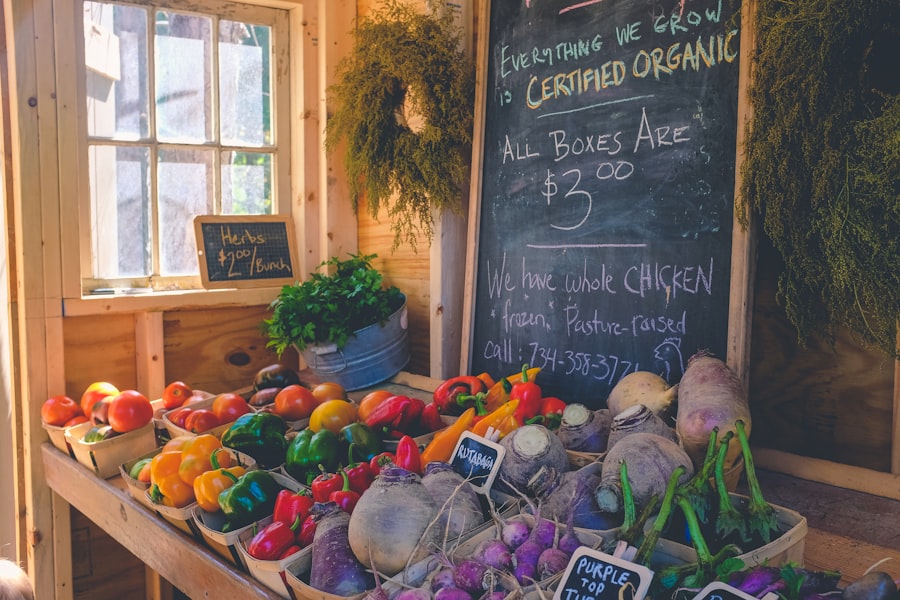
Why a June strawberry beats a January one, plus a practical month-by-month map of what's actually at its best in the Northeast.
Read article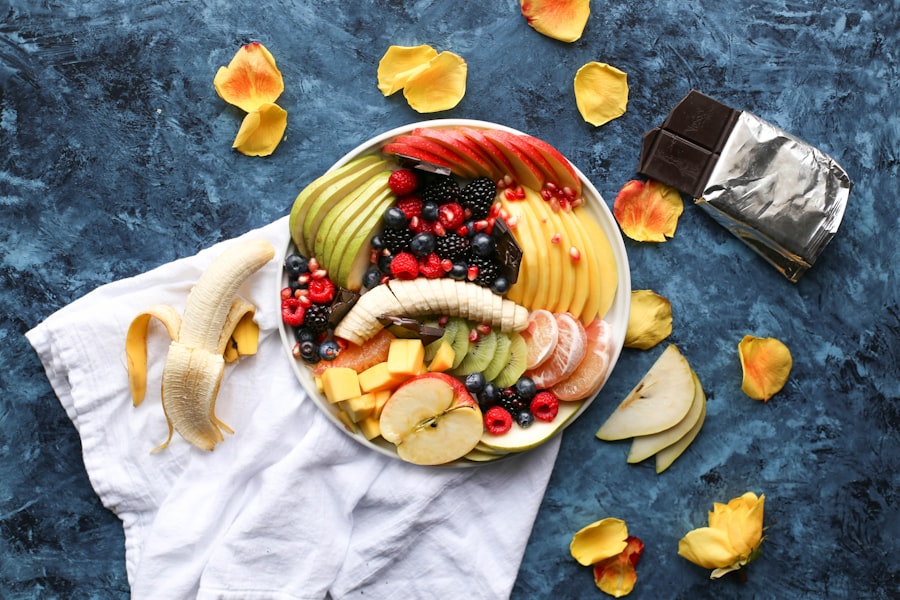
Herbs in water, tomatoes never in the fridge, and the ethylene troublemakers to keep apart - how to double the life of everything in your crisper.
Read article