Organic, Natural, Pasture-Raised: What Food Labels Actually Mean
Half the words on food packaging are regulated; the other half are marketing. A plain-English decoder for organic, natural, cage-free, and friends.
Read article
Nobody's weeknight cooking is transformed by a $34 jar of imported something. But a handful of pantry staples genuinely punch above their price — they're the difference between "I cooked" and "why is this so good?" Here are the 15 upgrades worth making, and the honest word on what to skip.
A workhorse for cooking and a good cold-pressed bottle for finishing. The finishing oil is the upgrade: a thread over soup, beans, or tomatoes changes the dish. Buy small and fresh — olive oil is produce, not wine; it fades within months of opening.
Flaky salt for finishing and a decent kosher salt for everything else costs a few dollars more per year than iodized and touches literally every dish. The highest ROI in food.
One good sherry or apple cider vinegar wakes up beans, greens, soups, and pan sauces. If a dish tastes flat and "needs salt," it usually needs acid.
Pre-ground spices are mostly dust of their former selves within months. Whole cumin, coriander, and peppercorns, ground as needed, taste twice as loud — buy them from anywhere with turnover, like a bulk aisle.
The pattern: buy things with one honest ingredient, buy them fresh from somewhere with turnover, and buy whole instead of pre-ground, pre-grated, or pre-anything.
Truffle oil (mostly synthetic aroma), "Himalayan" anything at a markup (it's salt), $30 aged balsamic if you cook twice a week (grocery-store balsamic reduced in a pan gets you close), and any spice blend that's 40 percent salt. The money saved buys the good olive oil.
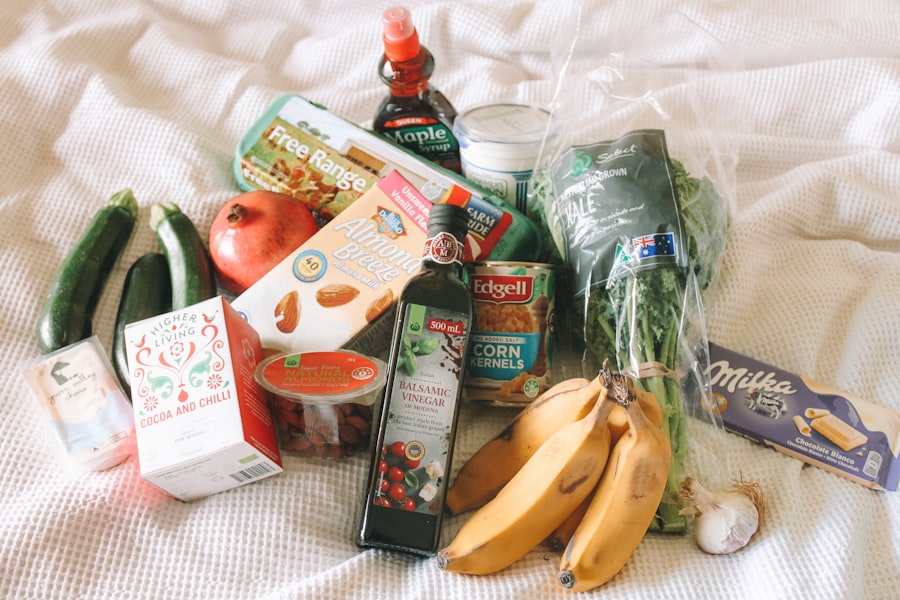
Half the words on food packaging are regulated; the other half are marketing. A plain-English decoder for organic, natural, cage-free, and friends.
Read article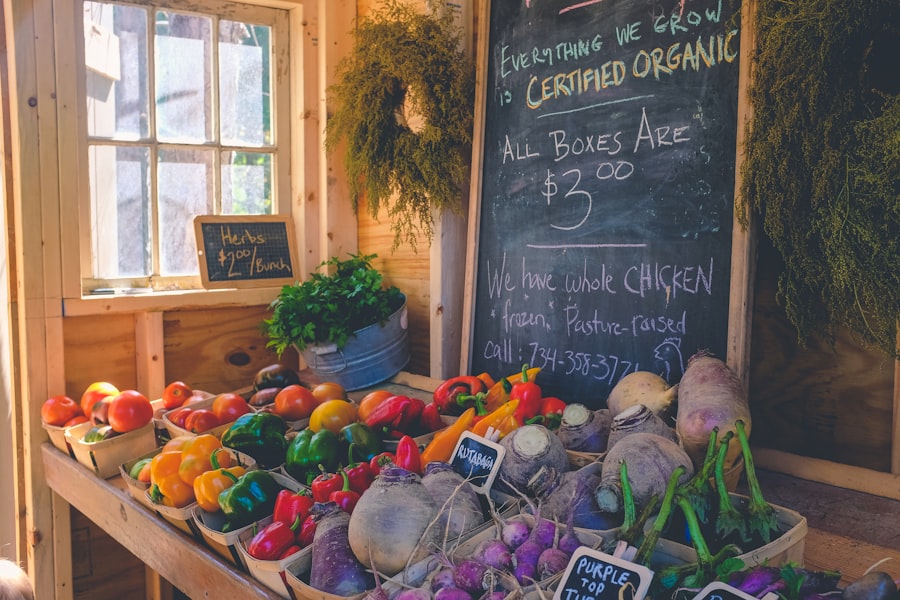
Why a June strawberry beats a January one, plus a practical month-by-month map of what's actually at its best in the Northeast.
Read article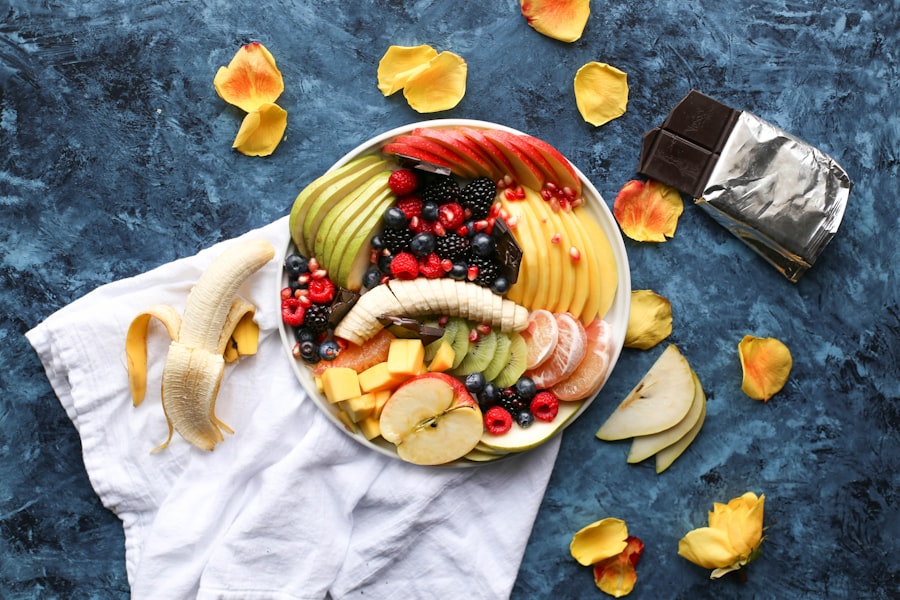
Herbs in water, tomatoes never in the fridge, and the ethylene troublemakers to keep apart - how to double the life of everything in your crisper.
Read article